WK: Variety Mix #717
Thirty-two tracks for mid-July 2017, the broadest cross-genre survey of the year. The variety-mix variant is the version for the friend in the group chat who specifically requested less single-genre runs and more deliberate cross-genre transitions — the playlist’s broadest possible scope.
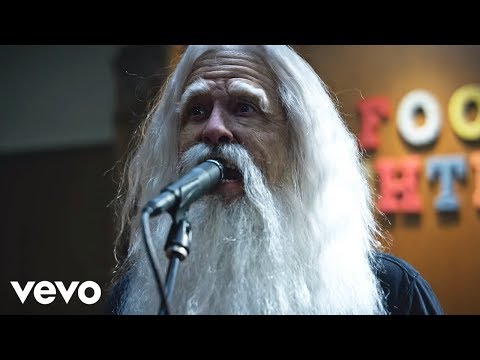
Foo Fighters “Run” opens. The single had dropped in June and was the song that established what the year’s rock-radio rotation would be — Grohl shouting his way through a song he probably knew was the band’s best single in years. The placement at first-track is the variety-mix’s deliberate move to commit to the rock side immediately rather than easing into it.
Logic with Black Thought, Chuck D, Big Lenbo, and No I.D. “America” follows. The five-credit collaboration is the kind of statement track the year produced in volume — multi-generational rap with the production credit going to No I.D. (who’d produced “4:44” the same summer and was having the best year of his career). Black Thought’s verse is the structural moment of the song and the Chuck D feature is the thing that gives it the cross-generational weight.
NoMBe “Freak Like Me” sits in the front quarter. Noah McBeth’s catalog had been on the alt-radio rotation for a year by then, and “Freak Like Me” specifically was the streaming-era cut that found its way into broader rotation. Mura Masa with A$AP Rocky “Love$ick” carries the UK-producer-meets-US-rap crossover that was defining the year’s cross-Atlantic rotation. The British producer’s debut album was the kind of record that the alt-radio rotation didn’t quite know what to do with, and the A$AP Rocky feature is the cut that brought it into the broader audience.
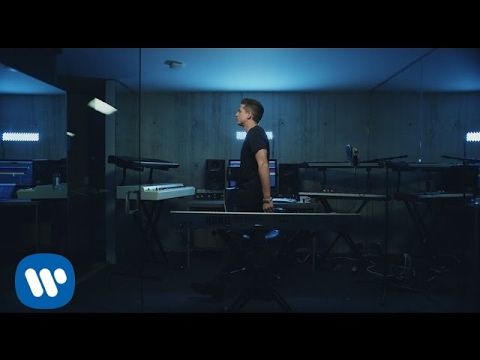
Charlie Puth “Attention” is the slick-pop-radio pull. Puth’s catalog has been navigating the line between songwriter and singer for years and “Attention” is the cut where he stopped trying to choose. The track is built around a single bass-and-vocal line that carries the whole song.
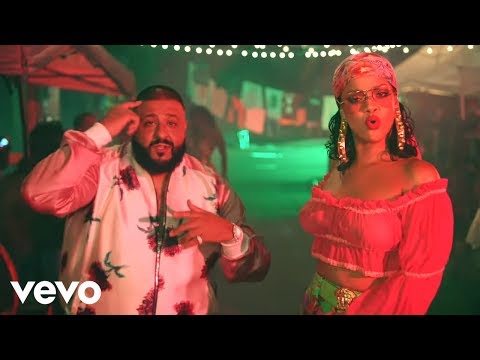
DJ Khaled with Rihanna and Bryson Tiller “Wild Thoughts” is the front-half peak. The Santana sample is the structural moment of the song and the song was inescapable from June through October. The placement is honoring how the cut actually lived on the year’s rotation rather than pretending the friend group was too cool for it.
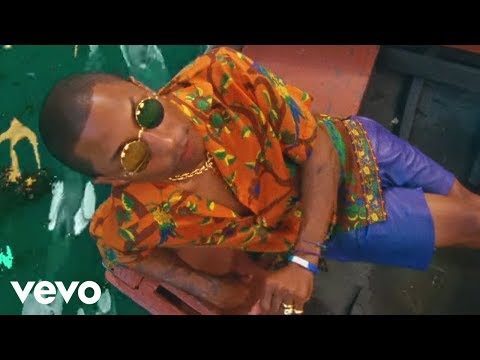
Calvin Harris with Pharrell Williams, Katy Perry, and Big Sean “Feels” is the maximum-feature-pile-up track of the year. Four credits, four distinct vocal moments, one of those songs that should be a mess and isn’t. Harris’s “Funk Wav Bounces Vol. 1” record was the slow-rollout single-by-single album of the summer and “Feels” was the third single. The placement late in the front half is the structural anchor of the dance-pop side of the rotation.
The Kills “Echo Home” closes the front block with the deep-cut placement. The duo’s catalog has been quietly excellent for fifteen years and the streaming-era working-rotation has criminally undervalued them. The track is built around a sparse arrangement that lets Alison Mosshart’s vocal carry the song the way her catalog has always demanded.
Mid-rotation pulls in some of the year’s other peaks — Lana Del Rey’s “Lust for Life” tracks, Kendrick’s “DAMN.” cuts that broke into broader rotation, Sampha’s “Process” cuts that should have won every prize that year and didn’t. The back half pulls toward the indie-folk side that the long-daylight July evenings reward — slower tempos, more open production, the kind of music that fits the eleven-p.m. porch context.
Thirty-two tracks. About two hours. The cousins always asked for this variant when they were in town for the weekend. The standard July edition is the cross-genre survey; the variety-mix is the version with even less commitment to any one genre, the version for the audience that wants the rotation’s broadest possible scope without any structural commitment to a single sub-genre. Texted the link out on a Friday and the cousins played it twice through the weekend. By Sunday they were asking for the next one.
The cousins were the audience that the variety-mix variant was specifically built for. They weren’t on the standing-rotation distribution list — they were the kind of audience that wanted the broadest possible catalog without committing to a single genre. The variant was the rotation’s small piece of acknowledgment that the audience’s actual catalog vocabulary varied more than the standard editions assumed.
Worn & talked about by artists on this playlist
Affiliate · We may earn- Foo Fighters on vinyl Find on Amazon →
- DJ Khaled on vinyl Find on Amazon →
- Calvin Harris on vinyl Find on Amazon →
- French Montana on vinyl Find on Amazon →
- Major Lazer on vinyl Find on Amazon →
- Drake on vinyl Find on Amazon →