
Weekend Kickoff Oct 2016
Thirty-two tracks for the second Friday of October 2016, the mid-fall edition with the year’s strongest rap-and-pop crossover peaks. The week the year’s rap-rotation hierarchy was settling into its year-end shape — the singles that would dominate the year-end review were starting to separate from the also-rans.
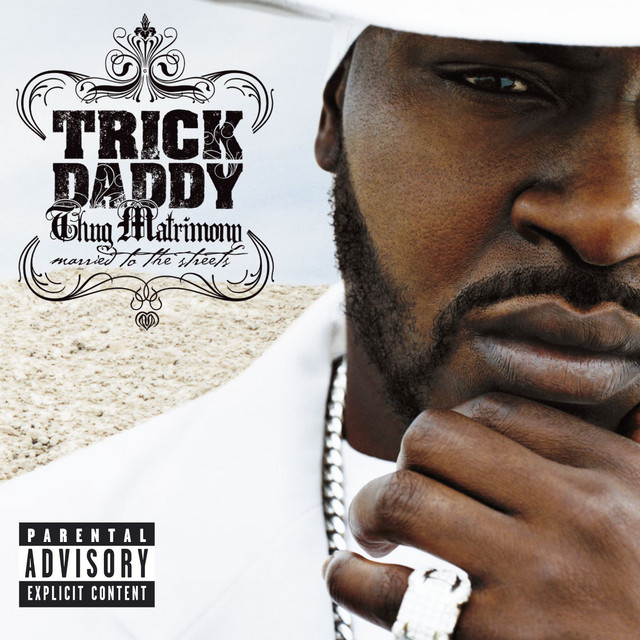
Trick Daddy with Khia and Tampa Tony “J.O.D.D.” opens. The Miami-bass-revival pull was the kind of cut that the year’s late-rotation kept producing without quite breaking through to the mainstream. Trick Daddy had been working in the Miami-bass tradition since the late ’90s and the Khia collaboration was the cut where his late-period work crossed into the broader rap-radio context. The placement at first-track is honest about the rotation — the year’s working-rotation included tracks that the mainstream-radio rotation didn’t quite have room for.
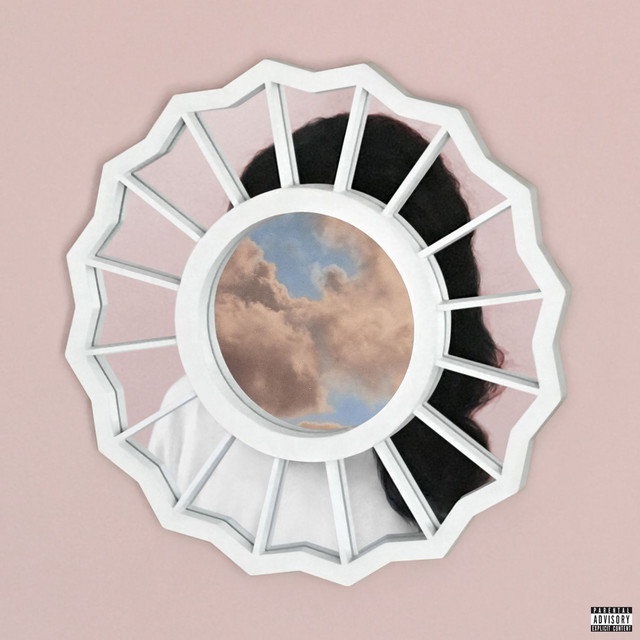
Mac Miller with Miguel “Weekend” is the structural anchor of the front half. The Mac Miller catalog had been quietly improving for years and the 2016 album “The Divine Feminine” was the breakthrough — the record where his work crossed from the rap-rotation-specific framing into the cross-genre critical consensus. The Miguel feature is the cut that gives the song its actual identity.
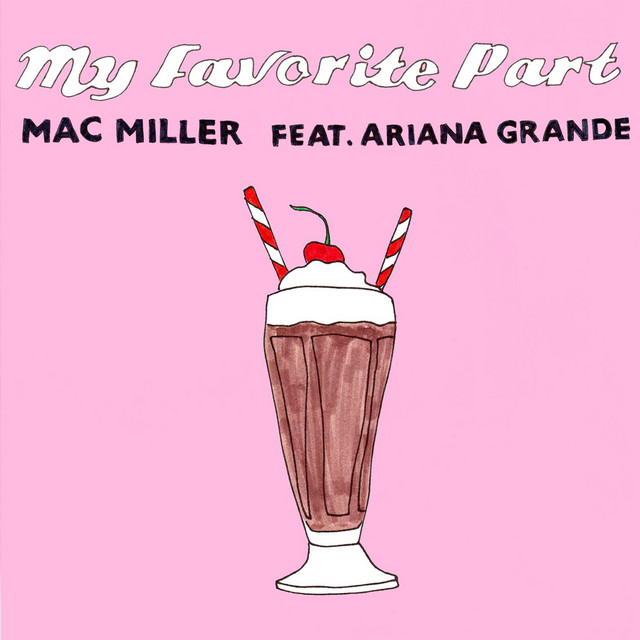
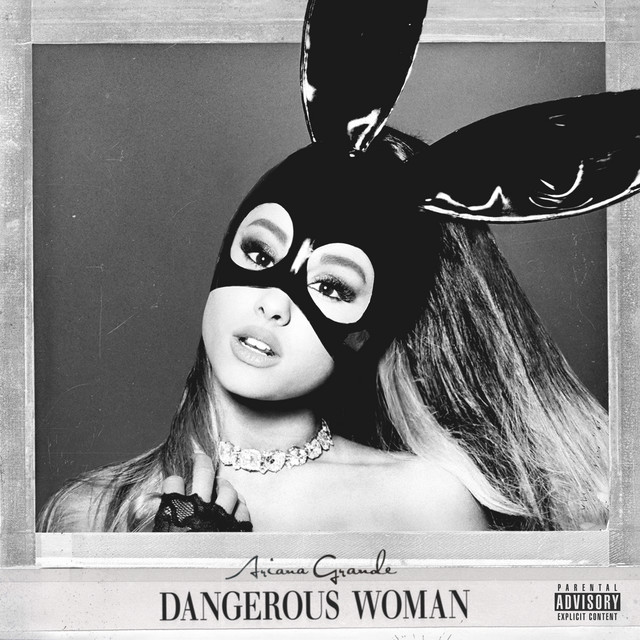
Mac Miller with Ariana Grande “My Favorite Part” is the second Mac Miller slot, sequenced back-to-back because that’s how the catalog actually lived on the rotation. The Grande feature is the kind of cut that, in retrospect, reads as a small archive of a specific moment in both artists’ careers — Grande was at the peak of her “Dangerous Woman” cycle, Mac Miller was at the peak of his cross-genre acceptance. Both careers would change shape in the next two years.
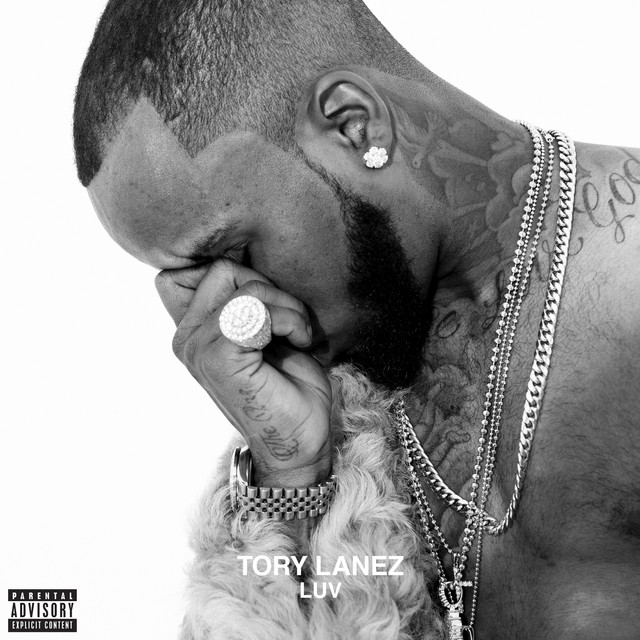
Tory Lanez “LUV” sits in the front quarter as the slick-R&B-rap crossover. The Toronto rapper-singer’s catalog had been on the rotation for a year by then and “LUV” was the cut where his work crossed into the broader pop-radio context. The track is built around a sample that the genre’s working tradition has been refining for years.
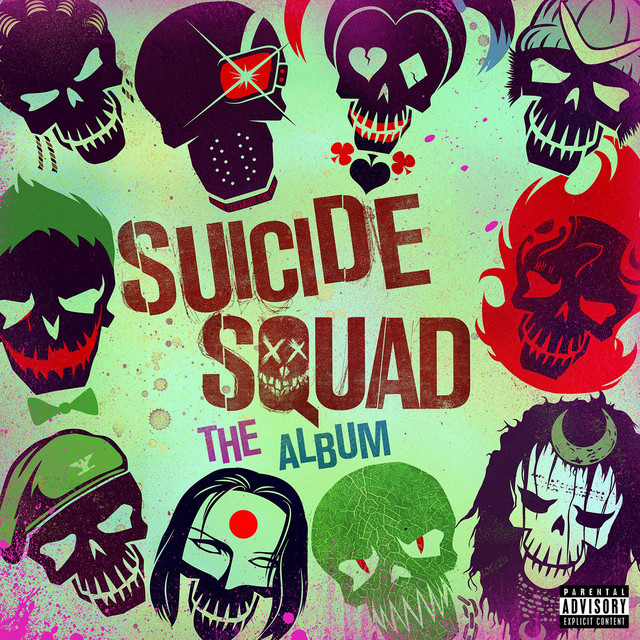
Lil Wayne with Wiz Khalifa, Imagine Dragons, X Ambassadors, Logic, and Ty Dolla $ign “Sucker for Pain” is the maximum-feature-pile-up moment of the year. Six credits, six distinct vocal moments, one of those songs that should be a mess and isn’t. The song was on the Suicide Squad soundtrack and was inescapable through the summer. The placement is honoring how the cut actually lived on the rotation rather than pretending the friend group was too cool for it.
Ariana Grande with Nicki Minaj “Side To Side” carries the deliberate-pop-radio-anthem block. The track was on the “Dangerous Woman” album and was Grande’s biggest collaboration of the year. The Minaj verse is the structural moment of the song.
Maty Noyes “in my miNd” is the deep-cut placement that elevates the rotation past radio-friendly. The singer-songwriter’s catalog had been working in the streaming-era discovery cycle for a couple of years by then and “in my miNd” was the cut where her work clicked into its actual identity. The placement is the rotation’s small acknowledgment that the deeper-rotation listener deserves the same rotation honor that the broader-audience cuts get.
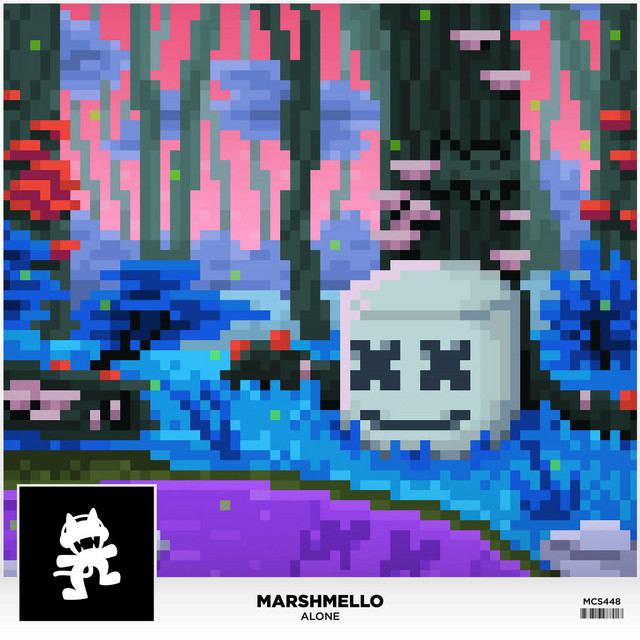
Marshmello “Alone” closes the front-half with the EDM-festival anchor. The track had been on the rotation since the previous year and was the song that effectively defined what the year’s mainstage rotation would be. The friend group was split on Marshmello the way they’d been split on Skrillex four years earlier — half loved it, half couldn’t believe the other half did. The placement is honest about the year.
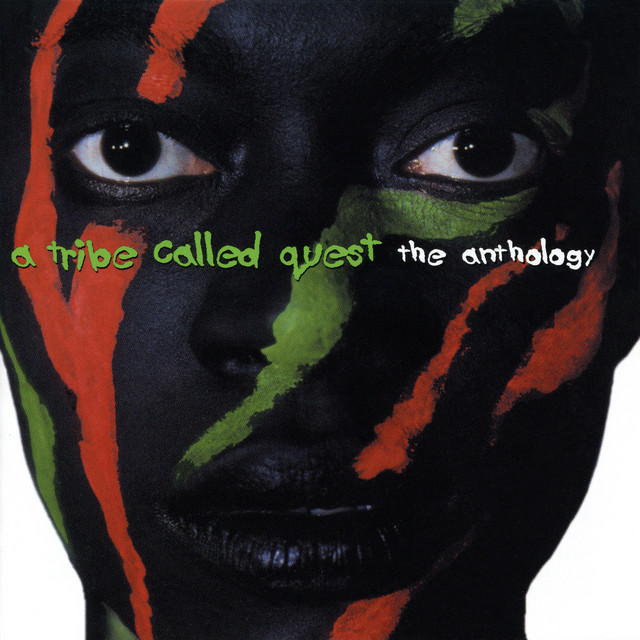
The back half pulls into the year’s other peaks — Frank Ocean’s “Blonde” cuts that the rotation absolutely committed to, A Tribe Called Quest’s comeback singles that were already starting to leak ahead of the November album drop, Solange’s “A Seat at the Table” tracks that were the catalog event of the year.
Thirty-two tracks lands at about two hours. The right length for the standing Friday-evening rotation in the mid-fall season. Built for the audience that had been with the rotation for years. The October edition that locked in the year’s rap-rotation hierarchy. Held up because the songs were the actual rotation, sequenced for the room they were meant for.
The October edition was the rotation’s annual moment of acknowledging that the year was about to enter the year-end-recap cycle. The cuts that survived the October Kickoff were the ones that the friend group had collectively decided would be on the year-end tape. The November and December editions were just the formal acknowledgment of what the October edition had already established.
Worn & talked about by artists on this playlist
Affiliate · We may earn- Ariana Grande on vinyl Find on Amazon →
- Lil Wayne on vinyl Find on Amazon →
- Wiz Khalifa on vinyl Find on Amazon →
- Nicki Minaj on vinyl Find on Amazon →
- Calvin Harris on vinyl Find on Amazon →
- The Weeknd on vinyl Find on Amazon →
Listen on Spotify
Tracks (32)





Track artwork via Spotify